Asheville, North Carolina
Less lawn.More of what grew here first.
We replace turf with native planting that feeds the birds and the bees, drinks a third of the water, and stops needing you by year three.

Start here
Tell us about the ground, not about us.
Native planting is entirely a question of matching the plant to the place. Three taps and a phone number is genuinely enough for us to come back with a plan.
planted
replaced
we grow
reviews
About Wildroot
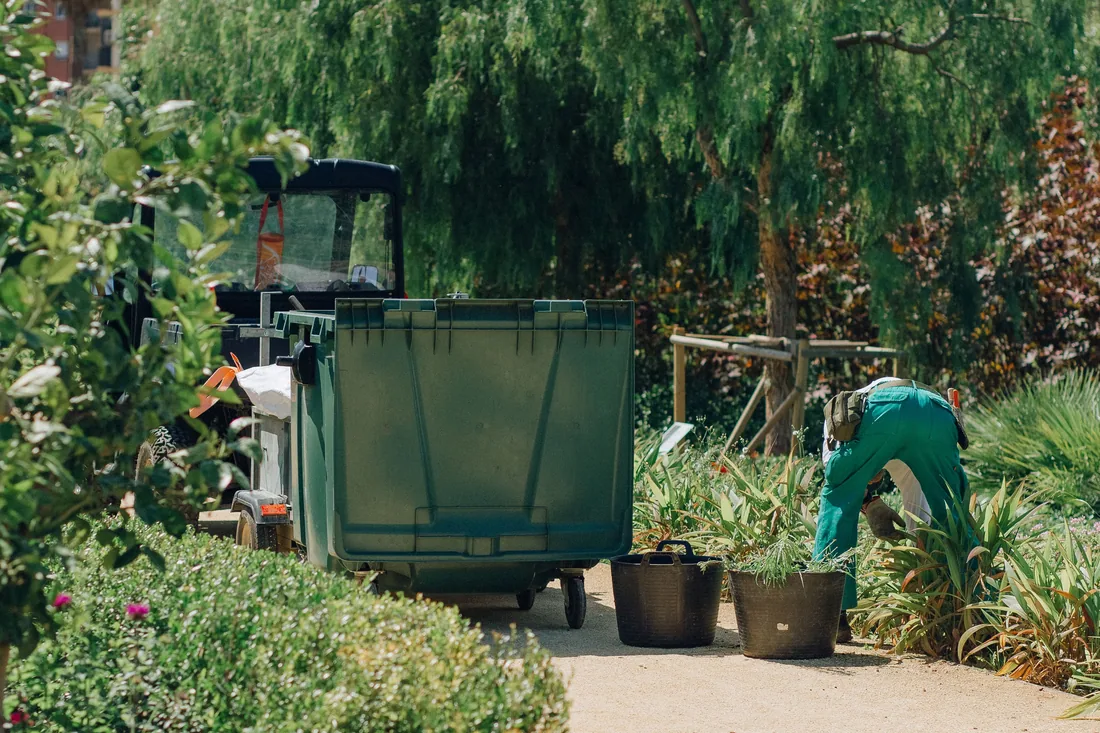
We grow what we plant, ten miles from where it goes in.
Wildroot was started in 2014 by Nadia Okonkwo, a botanist who got tired of specifying natives that no local nursery actually stocked. So we grow them — 190 species on two acres outside Weaverville, from seed collected within a hundred miles.
Local genotype matters more than the label on the pot. A coneflower raised in Ohio is not the same plant to a Carolina bee as one raised here.
- Own nursery, seed collected within 100 miles
- No neonicotinoids, ever, on anything we grow or plant
- Licensed NC landscape contractor, fully insured
- Three-year establishment guarantee on every planting
What we do
Three ways in, depending on how brave you feel.
Most people start with one bed and come back for the rest. That is genuinely the right order — you learn what you like living with.
A bed to start
One border or a foundation planting, designed and planted for you. The cheapest way to find out whether you like it.
- Design and planting plan
- Plants from our own nursery
- Mulched and watered in
- From $2,400
Lawn into meadow
Turf removed properly, soil prepared, then seeded and plugged. Two seasons to look like something, and then it is yours for decades.
- Turf stripped, not sprayed
- Seed mix for your conditions
- Plugs for year-one structure
- From $6,800
The whole property
A plan for the lot, phased over two or three years so you are never paying for all of it at once and never living on a building site.
- Full site survey and plan
- Phased, priced per phase
- Rain gardens and swales
- From $14,000
Gardens
Things we planted that are still going.
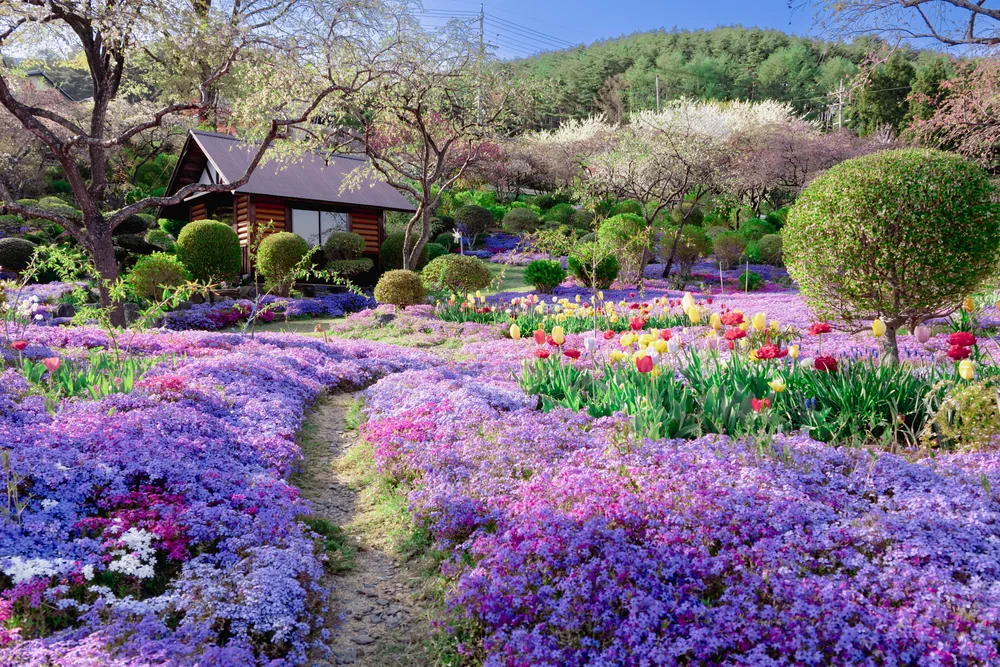
Photographed in year two or later. Anything looks good the week it goes in, which is exactly why we do not show you that.
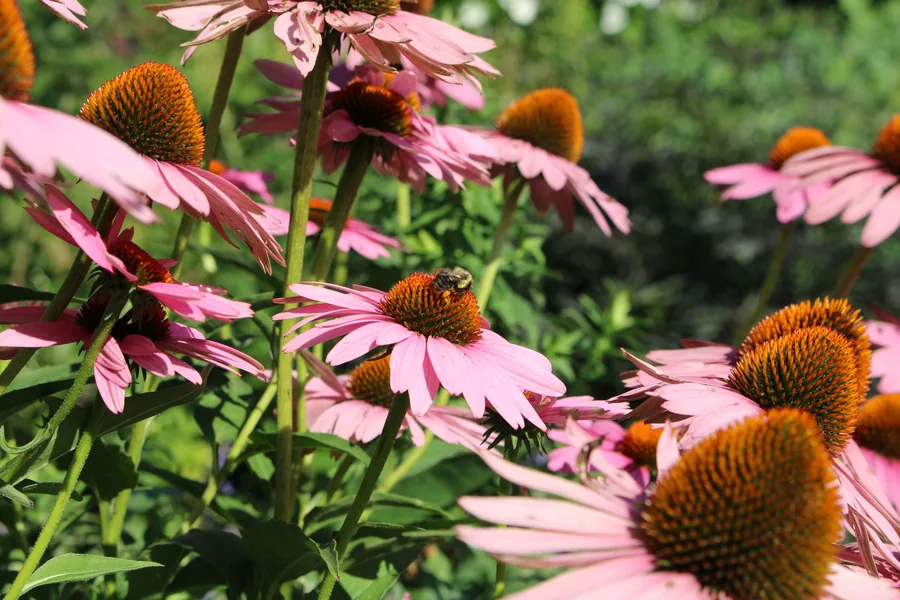
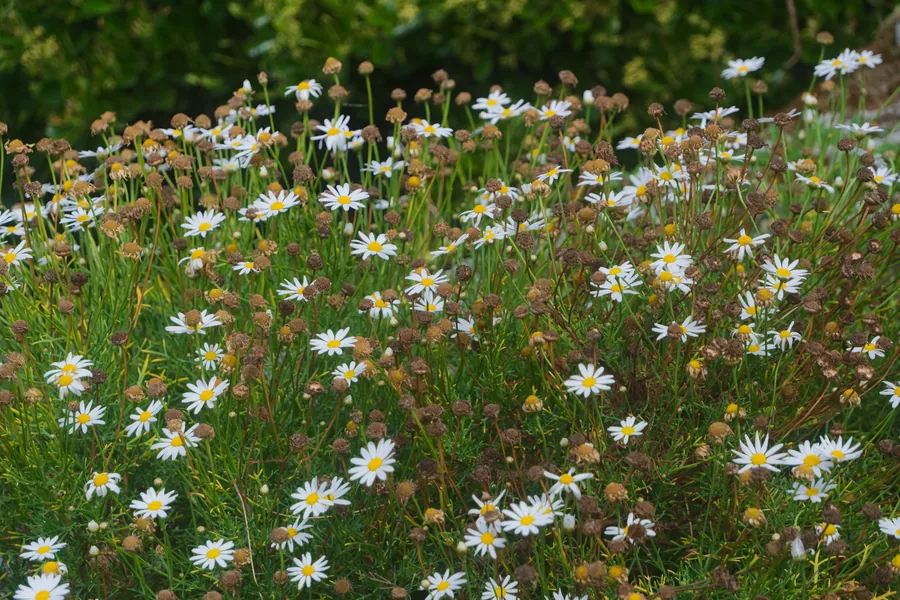

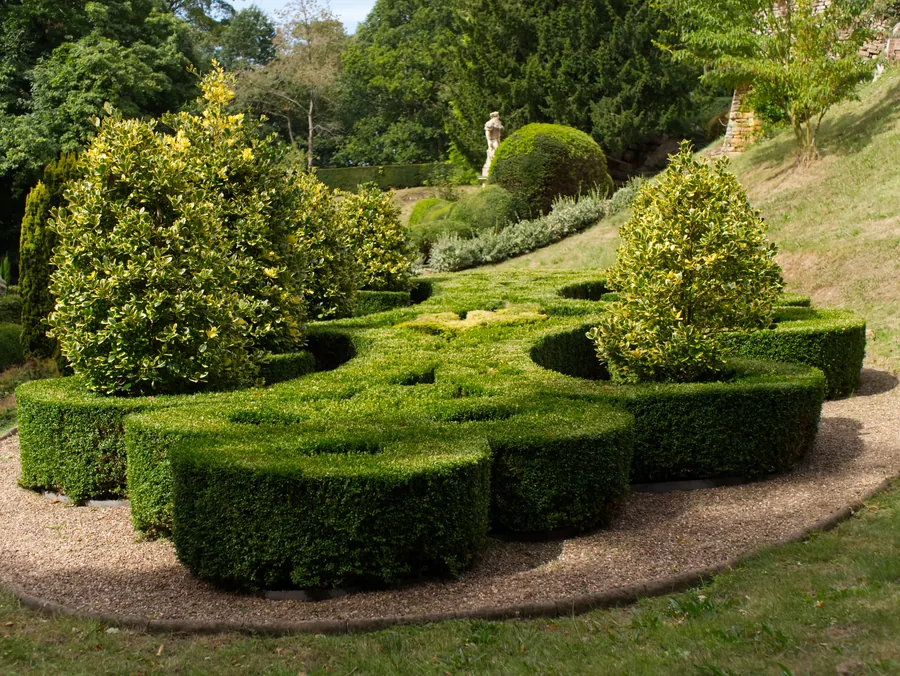
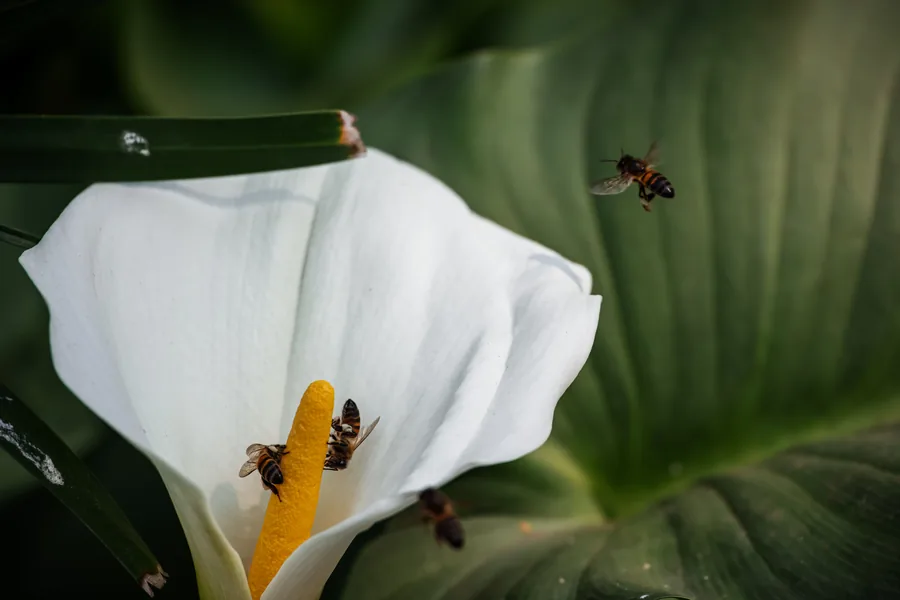
Montford
Two summers, same forty feet.
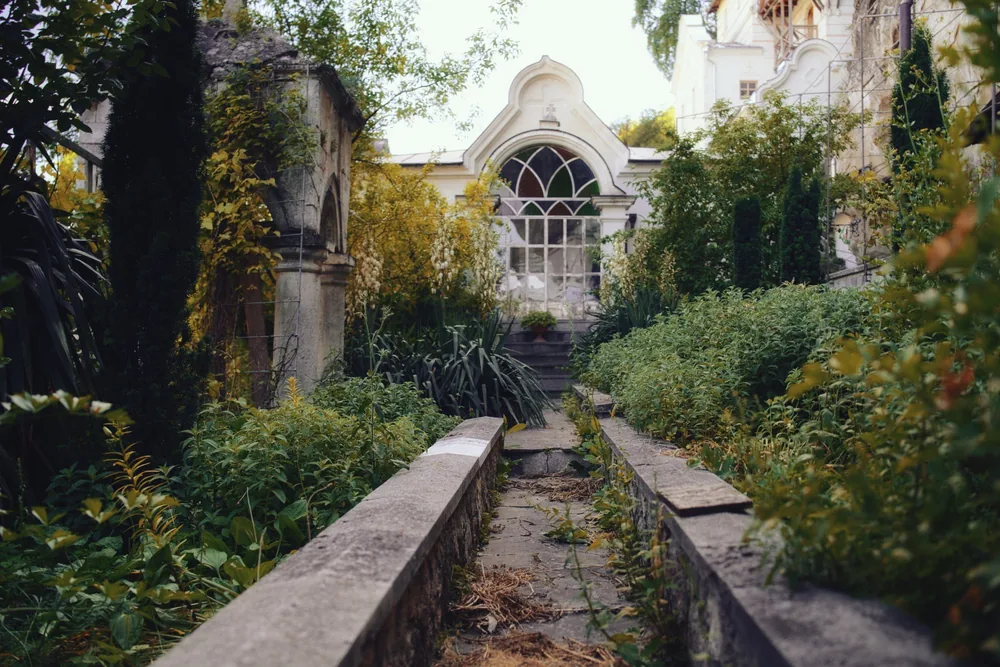
What was there
Forty feet of north-facing bank that had been mown for thirty years, then abandoned for four. Honeysuckle and English ivy through all of it, and the soil compacted to the point that water simply ran off.
What we did
Two seasons. Cleared the invasives by hand rather than spraying, broke the pan and composted, then planted 340 plugs of eleven species chosen for a shaded bank on clay. No irrigation went in at all.
What it cost
$7,900 across two seasons, most of it the first-year clearing. It has cost nothing since — no mowing, no feeding, no watering after year one.
Why we show this one
Because it was ugly for a year and we would rather you heard that from us. Native planting looks like a mistake in month six and like the best decision you made by month thirty. Anyone who tells you otherwise is selling annuals.
Why Wildroot
Four things most firms will not do.
We grow the plants
190 species on our own two acres, from seed collected within a hundred miles. Nobody specifying natives from a catalogue can say where theirs were raised.
We tell you the ugly year
Year one looks thin, year two looks patchy, year three looks like the photographs. We put that in writing before you sign anything.
No neonicotinoids
Not on our nursery stock, not on your garden. A pollinator planting treated with a systemic insecticide is worse than the lawn it replaced.
Three-year guarantee
Establishment is the whole risk in this work, so we carry it. Anything that fails in three years we replace, once, free.
How it goes
Four steps, then a lot of waiting.
We read the site
An hour walking it with you, a soil test, and a look at what is already growing. Free, and the notes are yours either way.
You get a plant list
A drawing and every species named, with what it does and when it flowers. About two weeks. You can take it to anyone.
We clear and plant
Invasives out by hand, soil prepared, plants in during the right window. Autumn is best here, spring is fine, July is not.
We check for three years
Two visits a year, included. Weeding while it establishes, gapping up what failed, and telling you what to cut and when.
4.9 from 140 reviews
What people say once it fills in.
“They warned us year one would look like nothing. It did. Year three there were hummingbirds.”
“Nadia talked us out of the expensive option twice. We have spent half what we budgeted.”
“Our water bill halved and I have not owned a mower for four years. That is the review.”
Recognised by
Where we work
An hour of the nursery, and no further.
Plants travel badly and we like to visit in year two and year three, so we keep it close. Outside the list, call anyway and we will tell you honestly.
- Asheville
- Weaverville
- Black Mountain
- Fairview
- Montford
- Biltmore Forest
- Swannanoa
- Arden
- Leicester
- Mars Hill
- Candler
- Hendersonville
Before you call
What everybody asks first.
Will it just look like weeds?
That is the real question and the honest answer is: it depends entirely on how it is edged. A mown strip along the front, a defined path and a clear line against the house read as deliberate. We design that in from the start, because a wild planting without a made edge does look like neglect.
How long until it looks like the photographs?
Year one it looks thin. Year two it looks patchy but alive. Year three it looks like the pictures and stays that way. Anyone promising you year one is selling you annuals.
What does it cost to run?
Almost nothing after establishment. No mowing, no feeding, no irrigation, and one cut-back a year that you can do yourself in an afternoon. Most clients are spending less in year four than a lawn cost them in year one.
Will my HOA allow it?
Usually, with a made edge and a height limit on the front. We have taken fourteen plans through committees around Asheville and we will do the drawings and the submission with you.
Does it bring snakes and ticks?
Ticks live on deer and mice, not on plants, and a diverse planting supports the predators that eat both. Snakes prefer rock piles and long grass right against a foundation, which is a design question we handle. In twelve years it has not come up as a real problem once.
Can I keep some lawn?
Yes, and most people should. Lawn is genuinely the right surface for the bit the children play on. We are arguing against the other eighty percent of it.
Get started
Tell us about your patch.
We reply the same working day and walk most sites within two weeks. The visit, the soil test and the plant list cost nothing, and you keep all three whether you hire us or not.
- Phone(828) 555-0148
- Emailhello@wildrootgardens.example
- Nursery418 Reems Creek Rd, Weaverville NC 28787
- LicenceNC Landscape Contractor 0000 · Insured